
Useful Links
Why Bioethanol Fireplaces Are Quietly Having a Moment in 2026
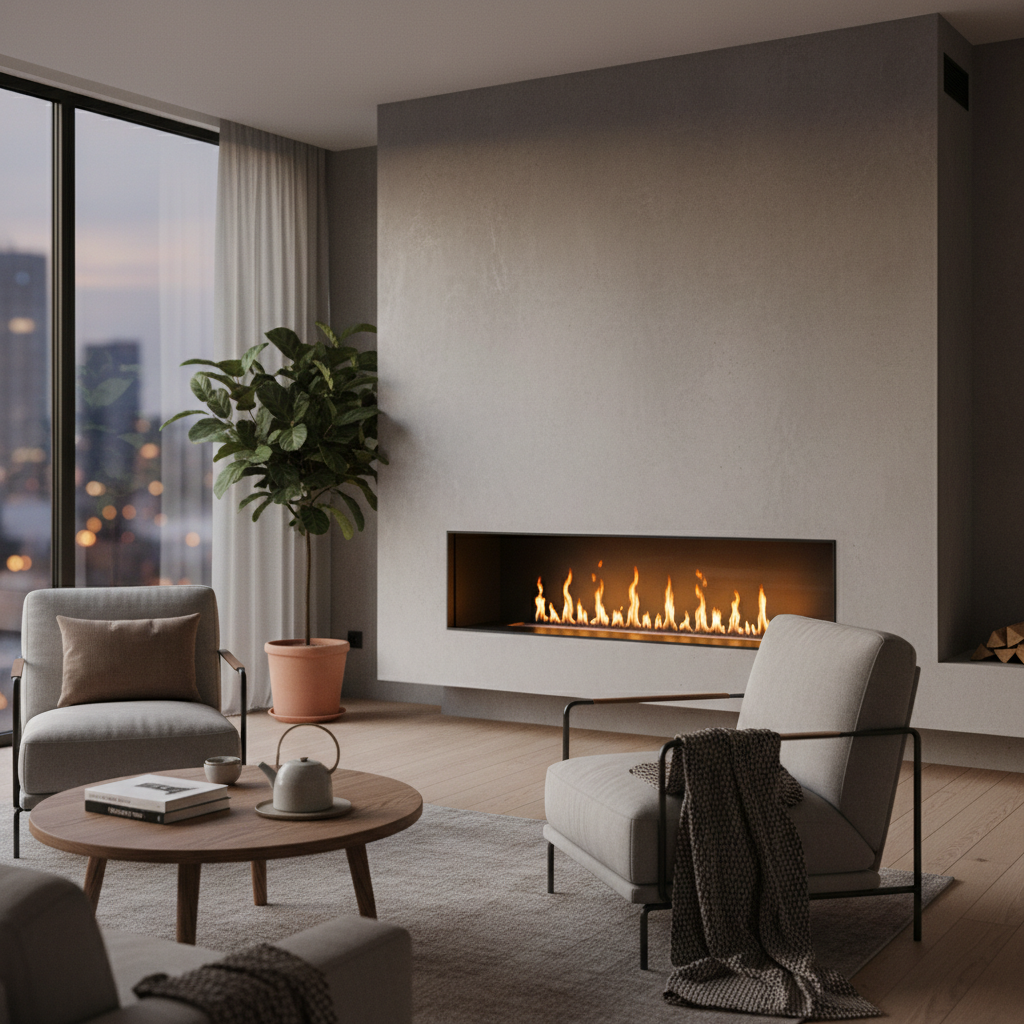
As we step into 2026, bioethanol fireplaces are quietly becoming a popular choice for many homeowners. These unique fireplaces offer a blend of style, convenience, and eco-friendliness that is hard to beat. Unlike traditional fireplaces, they do not require a chimney or flue, making them a flexible option for any space. Whether you live in a cosy apartment or a spacious house, a bioethanol fireplace can be a perfect fit. This shift isn’t just anecdotal.
UK Google Trends shows the search term has grown +50% year on year. Plus, recent UK reporting has pointed to a broader change in how homeowners approach fireplaces and home heating. Credible UK media outlets, such as The Times, have highlighted falling demand for traditional wood-burning stoves alongside growing interest in alternative fireplace options. In early 2026, Fireplace Specialist Magazine highlighted bioethanol fireplaces as an emerging trend, noting that industry experts see them gaining popularity in modern UK homes as stylish, eco-friendly alternatives. In this article, we explore why.
What Are Bioethanol Fireplaces?
Bioethanol fireplaces are real-flame fireplaces that burn liquid bioethanol fuel — a renewable, plant-based alcohol. Unlike gas or wood-burning fireplaces, they don’t require connection to mains utilities. The fuel burns cleanly, producing heat and flame. They don't emit as much heat as traditional options, so are typically used as a supplementary heating and lifestyle feature, rather than primary heat sources. They’re designed to add atmosphere and visual focus to a space.
The Cost-of-Living Squeeze Is Changing How We Upgrade Our Homes
The way people think about home improvements has shifted. Instead of asking “Will this add value?”, more homeowners are asking:
-
Will this lock me into higher running costs?
-
What if energy prices change again?
-
Can I reverse this decision if I need to?
Traditional fireplace options don’t sit comfortably with that mindset. Gas installations, wood burners, and major heating upgrades all involve permanence, regulation, or long-term expense. Bioethanol fireplaces, by contrast, feel low-risk.
Low-Commitment Comfort in Uncertain Times
Bioethanol fireplaces offer something that’s increasingly important in 2026: optional comfort.
You use them when you want to:
-
make a room feel warmer without heating the whole house
-
create atmosphere on cold evenings
-
add a focal point without structural work
And when you don’t want them on, they cost nothing.
There are no standing charges, no servicing contracts, no dependency on gas or electricity prices. For households feeling anxious about future bills, that flexibility is reassuring.
Why “No Chimney, No Installation” Matters More Than Ever
One of the biggest reasons bioethanol fireplaces are gaining traction is practical reality.
Many UK homes today are:
-
flats and apartments
-
new-builds without chimneys
-
smaller homes where space matters
-
rented or semi-temporary living situations
Bioethanol fireplaces don’t require a chimney, flue, or permanent installation. Wall-mounted and freestanding models can be fitted without major disruption — and in some cases, moved or removed entirely.
In a time when people hesitate to commit, that matters.
Scandinavian Design Meets British Caution
Design trends are playing a role too. Clean lines, minimal clutter, and calm interiors continue to dominate — and bioethanol fireplaces fit naturally into that aesthetic.
Design trends are playing a role too. Clean lines, minimal clutter, and calm interiors continue to dominate — and bioethanol fireplaces fit naturally into that aesthetic.
One notable manufacturer Ice Cold Spice partners with that reflects this approach is ScandiFlames, a European range of bioethanol fireplaces inspired by Nordic simplicity and contemporary design. Ice Cold Spice curates a compelling variety of these styles — including freestanding stoves, wall-mounted units, tabletop models, and built-in fireplaces — that bring elegant real-flame ambience to modern UK homes.
The brand’s designs are rooted in clean, Scandinavian-inspired aesthetics, combining smoke-free bioethanol burning with functional form that suits both minimalist interiors and more traditional spaces. From compact models ideal for smaller rooms to statement fireplaces with wide, visible flame views, ScandiFlames aims to balance style, simplicity, and usability, making them appealing where visual harmony and practicality matter most.
Alongside this, Cocoon Fires brings a different but complementary design language to the space. Known particularly for its suspended, hanging fireplaces, Cocoon’s pieces — often designed by acclaimed industrial designer Federico Otero — blend form and function in a way that feels both artistic and purposeful. Otero’s experience in product design, including collaborations with internationally recognised names such as Tag Heuer, gives these fireplaces a layer of credibility that resonates with homeowners who see fireplaces not just as heat sources but as signature interior features. These hanging models, crafted in Germany, and available to buy from Ice Cold Spice, serve as sculptural focal points that elevate living spaces while remaining flexible and flue-less in their installation.
Together, ScandiFlames and Cocoon Fires illustrate how design-led bioethanol fireplaces can meet evolving homeowner priorities: aesthetic refinement, flexible installation, and a clean, atmospheric flame that fits contemporary living.
A Fireplace That Doesn’t Feel Financially Reckless
Part of the appeal in 2026 is psychological.
Bioethanol fireplaces feel like:
-
a controlled spend
-
a contained luxury
-
something you can enjoy without future regret
They’re not positioned as primary heating solutions, so buyers aren’t betting their comfort on them. Instead, they’re a layer — a way to make a living space feel warmer and calmer without committing to higher monthly costs.
In uncertain times, that distinction is powerful.
Clean Burning, Low Maintenance, Less Stress
Beyond cost anxiety, there’s also a desire for simplicity.
Bioethanol fireplaces:
-
burn cleanly with no smoke or ash
-
don’t require sweeping or fuel storage
-
need very little ongoing maintenance
There’s no mess, no lingering smell, and no seasonal preparation. For busy households — or anyone already feeling overwhelmed by rising costs and decisions — that ease of ownership is a genuine selling point.
Why This Trend Is Quiet — and Likely to Last
Bioethanol fireplaces aren’t driven by government schemes, regulations, or short-term incentives. They’re growing because they fit how people feel about their homes right now.
They reflect a wider shift towards:
-
flexibility over permanence
-
atmosphere over output
-
comfort without commitment
That’s why the trend isn’t loud — but it is consistent. Want to get involved in this new interior design language? Shop the leading bioethanol fires range at Ice Cold Spice.


